A Vet’s View on Dog Vaccinations
Whilst I see plenty of snake and barbed wire injuries, my worst week is always during parvo season. A set of puppies are brought into practice and are sick and passing blood. As so often, the owner will say “We were going to get them vaccinated next week.”
Whilst some of the puppies do recover, after being put on a drip, others sadly don’t. And so much of this could easily have been avoided by a small number of vaccinations at a tiny fraction of the cost of treatment.
Whatever type of dog you own – be it an out-clifftown working kelpie, family lab in Highfields or a cavoodle who frequents Queens Park – this information is for you:
- What dog vaccinations do
- Core and non-core vaccines
- Puppy vaccination programme and why each vaccination is important
- Adult dog booster programme
- And how our area affects the above.
What Vaccinations Do
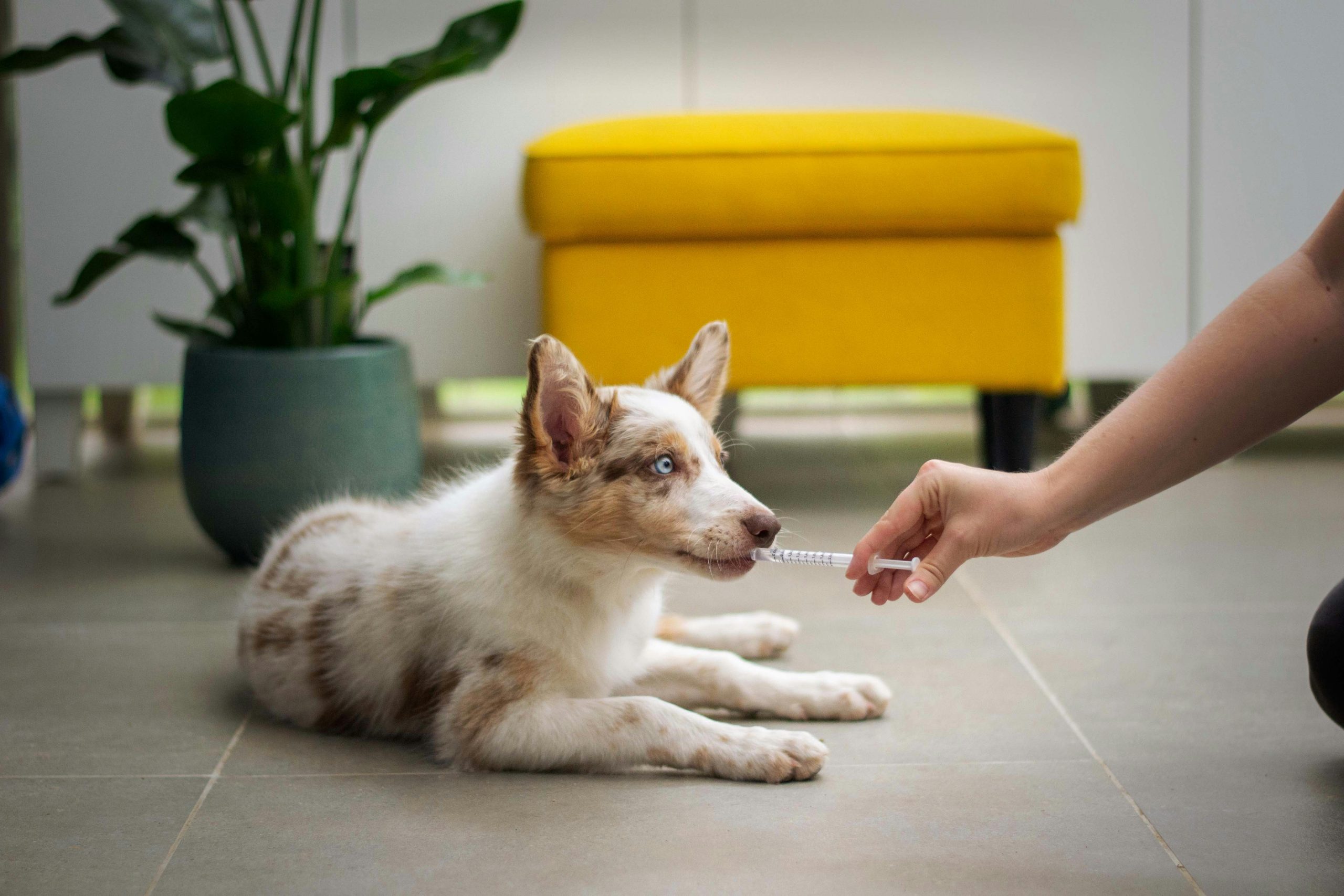
Vaccinations teach your dog’s immune system to recognise and defend against an imitation of a disease. Should your dog later come into contact with the real disease, it can then quickly mount a defence.
Although vaccinated dogs can still catch something, the chances are greatly reduced. And if they do get ill it is generally not as severe.
Further to this, the more dogs that are vaccinated in an area, the more difficult it is for disease to spread. Unfortunately, when vaccination levels in a town reduce, so do outbreaks. I have seen this occur.
Core Vaccines
Core vaccines are for widespread, bad and/or fatal diseases. All dogs should be vaccinated for these, no matter where they live. In Australia, the core vaccine is known as the C3 vaccine and is for 3 diseases.
Parvovirus
Parvo is prevalent in our area. It is a gut and immune system virus and can result in severe sickness and bloody diarrhoea. Dogs are then prone to dehydration. Puppies and young, unvaccinated dogs are most susceptible and sadly, many don’t recover.
Added to its severity is the fact that parvo is highly resilient. It can survive in soil for many months, and in some cases over a year. It is transported on footwear, tyres, paws and even feed bins. Dogs don’t even need to come into contact with an infected dog to catch parvo – they simply need to walk where an infected dog has been.
Distemper
Whilst less common now thanks to vaccination, distemper is still present. Initial symptoms are watery eyes, coughing and fever. It can then progress to fits and neurological issues. Unfortunately, there is no treatment and dogs only receive supportive care. Dogs can be left with long lasting effects even if they do recover.
Infectious Canine Hepatitis
This virus affects a dog’s liver, kidneys and eyes. Again, as with distemper, we don’t see as much of it these days purely because the majority of dogs are vaccinated. And if vaccination ceases, so does the reduction in this disease.
So, the basic core vaccine is C3. Without this your dog is vulnerable to potentially fatal diseases.
Non-Core Vaccines – And When They Are Appropriate
Non-core vaccines depend on a dog’s lifestyle and environment. Far from being unimportant, for many Downs dogs these are as crucial as core vaccines.
Canine Cough (Kennel Cough)
This is a highly infectious lung infection. As dogs share environments, they can easily pass it on. For example, in boarding kennels, grooming salons, day care centres, dog parks and dog training and show venues.
It presents as a harsh cough and can last for weeks. Typically, healthy adult dogs will recover but puppies, older dogs and brachycephalic breeds are susceptible to pneumonia.
To provide extra protection, canine cough can be added to a C3 vaccine. This is referred to as a C5 vaccine. Most Toowoomba and Warwick boarding kennels and grooming salons will not accept dogs without this. In addition, many require it to have been administered within the previous 12 months. So check this prior to holidays.
Leptospirosis
This bacterial disease is passed on via the urine of rats and other animals. It thrives in water, mud and moist soil. It can cause serious kidney and liver damage. Dogs are most at risk if they drink from dams, creeks, puddles and/or water troughs. Dogs are also prone to leptospirosis if they are around feed sheds and/or grain stores as these are ideal breeding grounds for rats.
Importantly, leptospirosis can also be passed from dogs to humans. Queensland has more human leptospirosis cases than any other state.
If your dog is farming based, near to water or is a hunter then discuss leptospirosis vaccination with us. It is often advisable to do this following wet seasons as this is when rat populations typically increase.
What Vaccinations Don’t Cover
Unfortunately, people often believe that once a dog has had vaccinations they are immune to all diseases.
Ticks
There is no vaccine for paralysis, brown dog or ehrlichiosis (a disease which can be carried by brown dog ticks) ticks. Appropriate tick prevention should be used.
Heartworm
Again, there is no vaccine for heartworm. However, it can be prevented by monthly tablets or an annual injection. Often this can be administered at the same time as a dog’s vaccination.
Snakes
Unfortunately, there is no Australian vaccine for brown snake. Avoid long grass and wood piles and seek immediate veterinary attention if you think your dog has been bitten by a snake.
Puppy Vaccination Programme
Whilst a mother dog passes on some immunity to her puppies in her milk, this varies from puppy to puppy. Also, this immunity can interfere with a puppy’s response to vaccination. Consequently, puppies require a course of vaccinations.
Typically, this is:
- 6-8 weeks – Initial vaccination (usually C3).
- 10-12 weeks – Second vaccination (often including C5 and/or lepto where appropriate).
- 14-16 weeks – Final puppy vaccination. Ideally this is administered at 16 weeks or older for optimum immunity.
- 6-12 months – Further booster to ensure long term immunity.
- Depending on your puppy’s age, history and environment, your vet may alter this.
Stay At Home Until Vaccinated
Following a puppy’s final vaccination, it takes around a week or two for full immunity to develop. During this time, avoid allowing your puppy onto public areas such as parks, pavements and even pet shop floors. Usually, however, it is fine for a puppy to attend a vet clinic puppy preschool as this area is thoroughly cleaned and all puppies must be vaccinated.
Farm and Online Puppies
Many local puppies originate from either a farm working dog litter or are bought from online advertisements. Again, some breeders are excellent and others are not.
Often, a family in Highfields will buy a nine-week old kelpie cross from a farm near Oakey. They are assured that the puppy has had an initial vaccination. However, there is no vaccination certificate – just a handshake. Four days later the puppy is sick and refuses food. It has contracted parvo prior to even leaving the farm as it had come into contact with an infected dog.
Always request that a vet signs a vaccination certificate. This should include the date and type of vaccine. Should no certificate be available, assume that your puppy has not been vaccinated and recommence a vaccination course.
Adult Dog Boosters
As immunity wanes, adult dogs will require booster vaccinations. The frequency of these will depend on the vaccine.
- Core C3 – Many current core vaccines are triennnially administered to adult dogs having completed a puppy course and initial booster.
- Canine Cough – Annually.
- Leptospirosis – Generally also annually.
For this reason, many dogs still attend the surgery annually. Even if their C3 vaccine is not due, their canine cough and/or leptospirosis are often. During this appointment we also conduct a thorough health check. We can then detect dental, lump, heart and early arthritic issues.
Late Booster
Despite our best efforts, from time to time people are late with their dogs’ boosters. Should your dog be a number of months past their due date, they may require part of their vaccination course to be repeated to ensure good immunity. Please telephone us and advise us of your dog’s last vaccination date. We can then devise an appropriate programme.
Senior Dogs and Titre Testing
Occasionally, people enquire as to whether older dogs still require vaccination. Where a dog is elderly or has previously had an adverse reaction to vaccination, we can sometimes conduct a ‘titre test’. This is a blood test which determines whether a senior dog still has adequate immunity to core diseases. Again, not all dogs are suitable for this, but it is a good point to discuss.
Are Adverse Reactions to Vaccinations Common?
Generally, dogs may be slightly subdued and/or feel tender at the vaccination site for up to a day. This is nothing to worry about. More severe reactions such as facial oedema, sickness and even collapse are uncommon. Please contact us immediately if your dog exhibits any of these. For the vast majority of dogs, however, the dangers of disease are much greater than those posed by vaccination.
Local Area Considerations
Although the vaccination requirements for a dog in a Sydney apartment will differ from those for a dog on a property outside Allora, there are specific factors relating to our area.
Parvo Thrives Here
As mentioned above, parvo survives in soil. Despite vaccination efforts, parvo outbreaks continue to occur. Often these are in towns or properties where many dogs are not vaccinated. Dogs move between properties, sale yards, utes and show grounds and so too does the parvo virus. Just one infected puppy on a property can therefore contaminate that property for an extended period.
Working Dogs Are Mobile
Working dogs on the Downs may visit a number of properties each week. They may also ride in the back of a friend’s ute and drink from a communal water trough used by all dogs in the district. Thus they are exposed to many environmental factors. Working dogs should have up-to-date core vaccinations. Plus, the majority should also be vaccinated for leptospirosis.
Dams, Flooding and Rats
After a wet season, dams swell, creeks flow and rats move in to areas of hay and/or grain. This is perfect leptospirosis territory. If your dog swims in dams, drinks from puddles or searches around a shed then please discuss leptospirosis vaccination with us.
Town Dogs Also Congregate
As well as farm dogs, town dogs are also exposed. Dogs congregate in Toowoomba dog parks, Warwick walking tracks, grooming salons, day care centres and boarding kennels. Canine cough is particularly prevalent in these areas. Kennels are especially busy around school holidays.
Holidaying and Show Dogs
Many local families travel down range to the Gold Coast or Sunshine Coast for holidays. Show and trial dogs also come into contact with dogs from across the state. Please ensure that vaccinations are up to date well in advance of any trips. Some boarding and show facilities require vaccination evidence to have been provided at least a week or two in advance.
Making the Most of Your Vaccination Appointment
There are a number of things that you can do to help:
- Provide us with your dog’s vaccination certificate or details of where they last had one.
- Inform us of your dog’s lifestyle (farm, town, boarding, grooming, show attendance, travelling and/or hunting).
- Advise us of any previous adverse reactions to vaccinations.
- Discuss heartworm and tick prevention.
- Book in for boarding and/or grooming in good time so that you can investigate these facilities’ vaccination requirements.
In Summary
Vaccinating your dog is amongst the easiest and most affordable ways to ensure that they live a long and healthy life. All dogs should receive core vaccinations (C3). In addition, for most dogs on the Downs, canine cough and/or leptospirosis vaccinations are highly advisable, particularly for working, swimming, boarding and travelling dogs. Puppies should complete their vaccination course and adults should then regularly receive booster vaccinations.
As mentioned, dogs in our area are highly mobile and so too are the diseases that affect them. So don’t wait for a local outbreak to occur – take steps to prevent this.
Please review your dog’s vaccination certificate tonight. If vaccinations are due, late or if you don’t have a certificate, please telephone us. Whether you are based in Toowoomba, Warwick, Highfields or on a property in between, we will ensure that your dog is suitably vaccinated.