
Ask a room full of business owners how long they spent building their company, and you’ll hear answers measured in decades. Ask how long they spent planning their exit, and the room tends to go quiet.

That gap is understandable. When you’re busy chasing invoices, managing staff and keeping customers happy, the day you hand over the keys feels a long way off. But the exit is often the single biggest financial event of an owner’s life. It’s also the one most people leave until the last minute.
That’s where business exit strategy advisors come in. Their whole job is the long, often messy lead-up to a sale, succession or step-back. This guide walks through what they do, how they differ from the other professionals you probably already work with, and what to watch for if you’re thinking about hiring one.
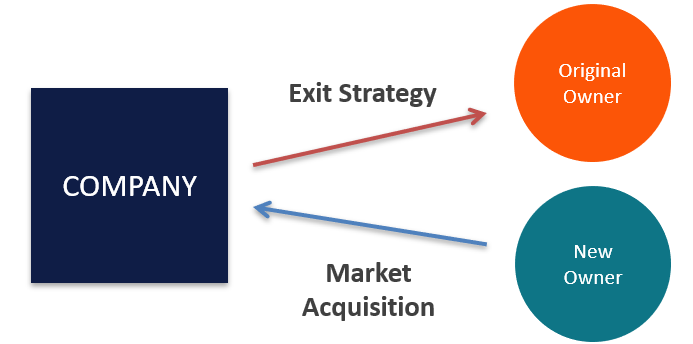
So, What Does an Exit Strategy Advisor Actually Do?
The simplest way to put it: an exit advisor helps you leave your business well. That might mean selling to a competitor, passing the reins to your kids, a management buyout or a slow wind-down over several years.
Most of the work happens well before any buyer appears. A good advisor starts with you, not the business. They’ll ask how much you actually need from the sale, when you’d ideally like to step away, and what you want the business to look like after you’ve gone. Those answers shape everything else.
From there, they look at the business the way a buyer would. That’s often a confronting exercise. Buyers don’t care how hard you’ve worked. They care about clean financials, reliable revenue, a team that can run things without you, and risks they won’t inherit. The advisor’s role is to find the gaps and help you close them, one by one, while there’s still time.
They also act as a kind of conductor. Your accountant, lawyer, broker and financial planner each see one piece of the picture. The exit advisor keeps them all working towards the same outcome.
Why Three to Five Years Isn’t Overkill
When owners first hear that exit planning should start three to five years out, the usual reaction is a raised eyebrow. It sounds excessive, but it rarely is.
Consider what buyers pay a premium for: a strong second-tier management team, diversified customers, documented systems and contracts that don’t walk out the door with the founder. None of those things can be fixed in a quarter. Developing a general manager who can genuinely run the place might take two years on its own. Reducing reliance on one big client can take longer.
There’s also the uncomfortable truth that exits don’t always happen on your schedule. Health scares, partner fallouts, divorces and burnout force plenty of owners to sell before they’re ready. Others get an unexpected offer from a competitor and have weeks, not years, to respond. If you’ve already done the groundwork, you can take that call calmly. If you haven’t, you’re negotiating from the back foot.
Early planning doesn’t lock you into leaving, either. Many owners find that preparing for an exit simply makes the business better to own. Profits improve, stress drops, and staying on becomes a genuine choice rather than an obligation.
The Psychology Part Nobody Warns You About
Here’s something that doesn’t show up on a balance sheet. Selling a business is deeply emotional, and that emotion quietly shapes decisions.
Owners often carry a number in their head. Sometimes it reflects what they need for retirement, sometimes what a mate supposedly got for his business, and sometimes just a figure that feels fair for twenty years of effort. The market, unfortunately, doesn’t price in effort. When the offers come in lower than that mental number, deals stall or collapse entirely.
Then there’s identity. For many founders, the business isn’t just what they do. It’s who they are. Picture a builder who has run the same firm since his late twenties. He might say he’s ready to retire, yet keep finding small reasons to delay every step. That’s not indecision. It’s grief, arriving early.
Good exit advisors recognise this. They won’t tell you how to feel, but they will help you separate the emotional decisions from the commercial ones. Sometimes that’s worth more than any spreadsheet.
Where an Exit Advisor Fits Alongside Your Other Professionals
A common assumption is that the accountant or broker “has the exit sorted”. Each plays an important role, but their focus is narrower than you might think.
A business broker markets the business and finds buyers. They’re typically brought in six to twelve months before a sale, and they’re usually paid when a deal completes. That’s a useful incentive, but it means their natural priority is getting a transaction across the line.
Your accountant handles financial statements, compliance and tax. Their input on structure is vital, but day-to-day accounting work doesn’t always leave room for a multi-year exit roadmap.
A lawyer protects you through contracts, due diligence and sale documents. They’re essential once a deal is in motion, less so in the years of preparation beforehand.
A financial planner focuses on what happens to your money after the sale: investments, super and retirement income.
The exit advisor sits across all of it. Their job is to make the business more valuable and easier to sell before it ever reaches a broker, and to make sure the final deal actually suits the life you want afterwards. When all five work together, outcomes tend to be noticeably better.
What a Good Advisor Actually Changes
The benefits aren’t abstract. Some of the most practical ones include:
- A realistic valuation. You’ll learn what the business is likely worth today and which levers, such as recurring revenue, margins or customer spread, will move that figure most.
- Earlier tax thinking. In Australia, the small business CGT concessions can make a substantial difference for eligible owners, but some require years of planning. Your advisor won’t replace your tax accountant. They’ll just make sure the conversation happens early enough to matter.
- Fewer surprises in due diligence. Expired leases, unclear IP ownership, undocumented processes and messy employment arrangements are classic deal-killers. Better to find them yourself.
- Calmer negotiations. Price is only part of a deal. Earn-outs, warranties, payment terms and your post-sale role all carry real consequences, and an objective voice helps.
There’s one more benefit owners often underestimate. Running a sale process is exhausting, and performance tends to slip while the founder is distracted. A dip in revenue mid-due diligence is a gift to a buyer looking to renegotiate. Having someone else carry part of the load helps keep the business humming.
How to Tell It’s Time to Make the Call
You don’t need to be selling next month to benefit from exit advice. In fact, the owners who gain most are usually the ones who feel they’ve got plenty of time.
It’s worth starting the conversation if you’d like to step away within five years but haven’t written anything down. The same goes if the business wobbles whenever you take a fortnight off, or if most of your personal wealth is tied up in the company. An unsolicited offer you’re not sure how to judge is another clear trigger. So is quiet tension with co-owners about when, or whether, to sell.
And if you’re simply tired, that counts too. Burnout is one of the most common reasons owners sell badly. Recognising it early gives you options.
If you’ve already received an offer, get advice before signing any heads of agreement. Terms agreed early have a habit of sticking.
Choosing the Right Person
Exit advice is a loosely defined field, so it pays to look closely. Start with experience. Ask how many exits they’ve guided, in which industries and at what size. A buyer of a $3 million trades business behaves very differently from a private equity firm eyeing a $40 million software company.
Ask them to walk you through their process. A strong advisor can explain what happens in month one, month six and month eighteen, and what you’ll receive along the way. Vague answers are a warning sign.
Fees deserve a frank conversation, too. Fixed fees, retainers and success fees all have their place. Just be wary of any arrangement that rewards a fast sale over the right one.
Finally, pay attention to how they talk about your existing team. The best advisors work alongside your accountant and lawyer rather than trying to replace them. And because you’ll be sharing sensitive financial and personal details for years, trust your gut on chemistry. If the conversation feels like a sales pitch, it probably is.
Mistakes Worth Avoiding
Most exit mistakes come down to timing and ego, often both at once. Starting six months out is the classic one, because it leaves no room to fix anything a buyer will notice. Close behind is clinging to an inflated valuation, which can sink otherwise solid deals.
Another trap is remaining “the business”. If customers, suppliers and staff all rely on you personally, buyers will either discount heavily or insist on a long earn-out that ties you in for years. Leaving tax until the end is equally costly, since some concessions and structures simply can’t be arranged at short notice.
Then there’s the quieter mistake: not thinking about life afterwards. Plenty of owners sell successfully, then feel lost within six months. Having a plan for your time, not just your money, matters more than most people expect.
A Final Thought
Your exit deserves the same care you put into building the business in the first place. The right advisor won’t make the decision for you. What they will do is help you see clearly, prepare properly and negotiate from strength.
If you take one thing from this guide, let it be this: start earlier than feels necessary. Have an honest look at how the business would run without you. Then talk to an experienced exit advisor while you still have time to shape the outcome, rather than simply accept it.With the right advisor, you can maximize your business value and achieve your exit goals. So, start planning your exit strategy today.