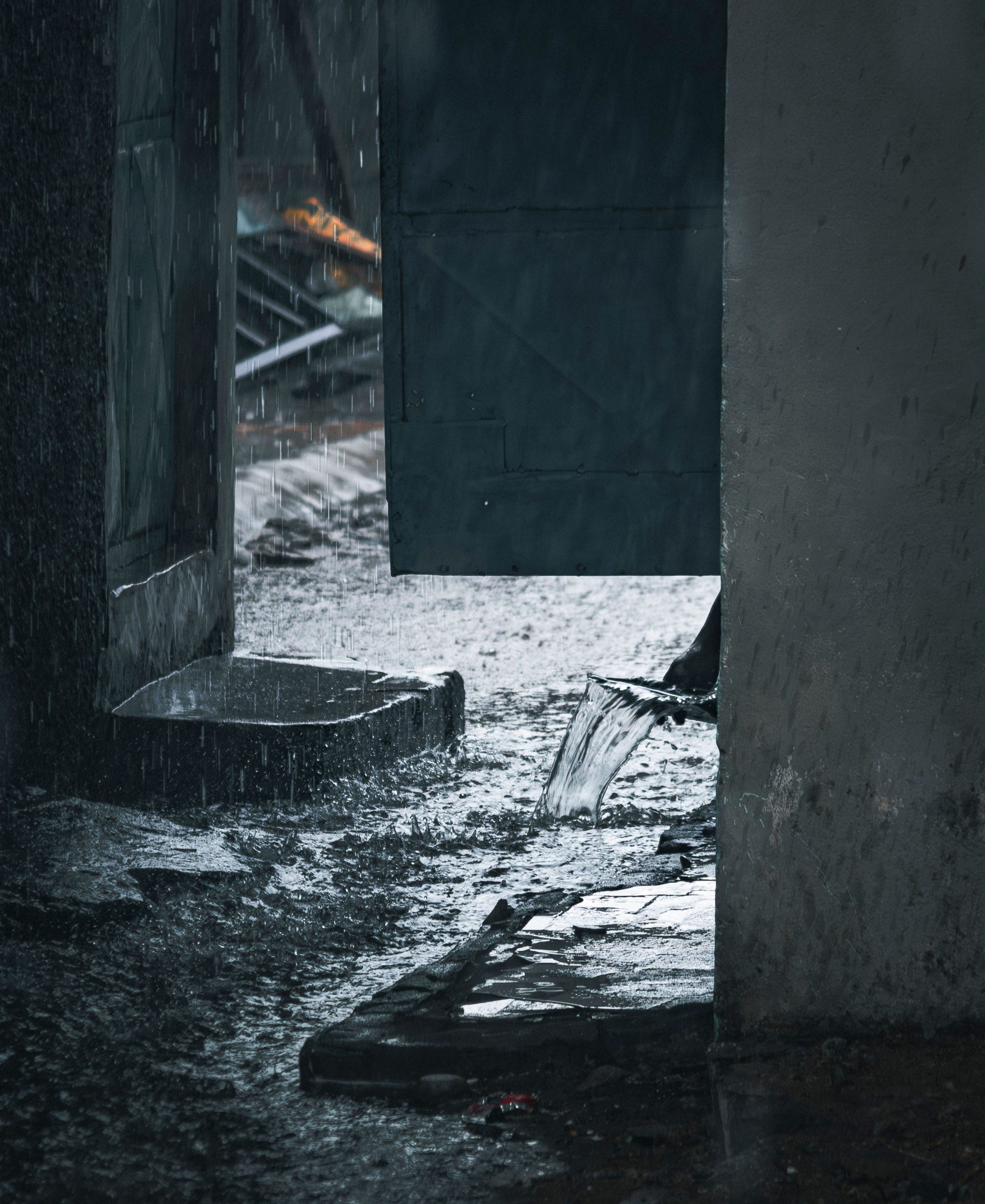
Picture a lovely steep slope on a new estate out Logan way. It’s fresh, it’s bare, and it’s just sitting there waiting. Then a proper Queensland summer storm rolls in! By morning, half that dirt’s washed straight down the batter — that’s the fancy word for a steep dirt slope — leaving deep scars and a muddy mess in the gutter.
You’ve seen it a hundred times. Around Ipswich, Toowoomba, the Goldy, or the Sunny Coast, bare slopes and heavy rain are an old, familiar battle. And when it’s time to protect that ground, you’ve got a big choice to make. Do you go with an organics blanket, or do you go with good old topsoil?
Here’s the great news! By the end of this yarn, you’ll know exactly what each one is, what it does best, and which gives you the best bang for your buck. And here’s the kicker — cost-effectiveness is about way more than just the sticker price. Let’s dig in!
First Up: What’s an Organics Blanket?
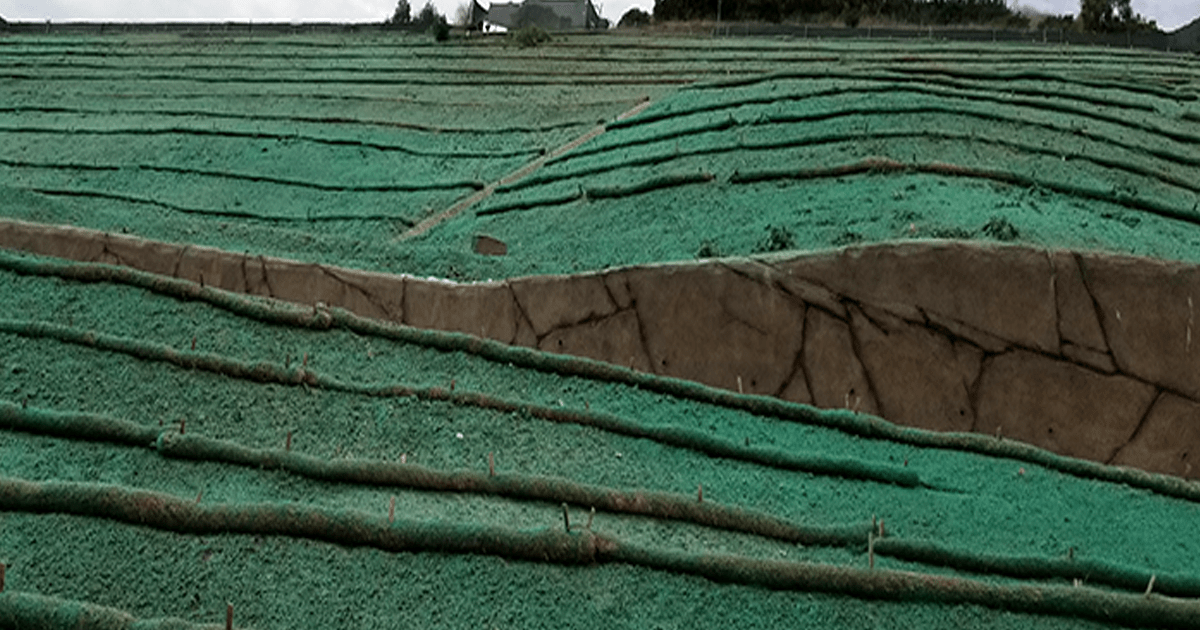
Let’s keep it nice and easy. An organics blanket is a big, natural mat that gets rolled out over bare soil to protect it. Think of it like tucking a cosy doona over the ground so the rain can’t rough it up!
It’s made from natural stuff — straw, coconut fibre (that’s the bit called coir), wood shavings, and jute, all pressed and woven into a thick, springy mat. Sometimes there’s a light netting holding it all together so it stays put on a slope.
Its whole job is to shield the ground, slow the water down, and help grass grow through. Simple, natural, and brilliant at what it does!
And What Exactly Is Topsoil?
Topsoil’s the easy one, because you already know it. It’s the good, rich, dark dirt from the very top layer of the ground — the stuff plants absolutely love to grow in!
It’s packed with the nutrients and organic matter that seeds need to sprout and thrive. When a site’s been scraped bare during earthworks, spreading fresh topsoil back over the surface gives plants a lovely, healthy bed to settle into.
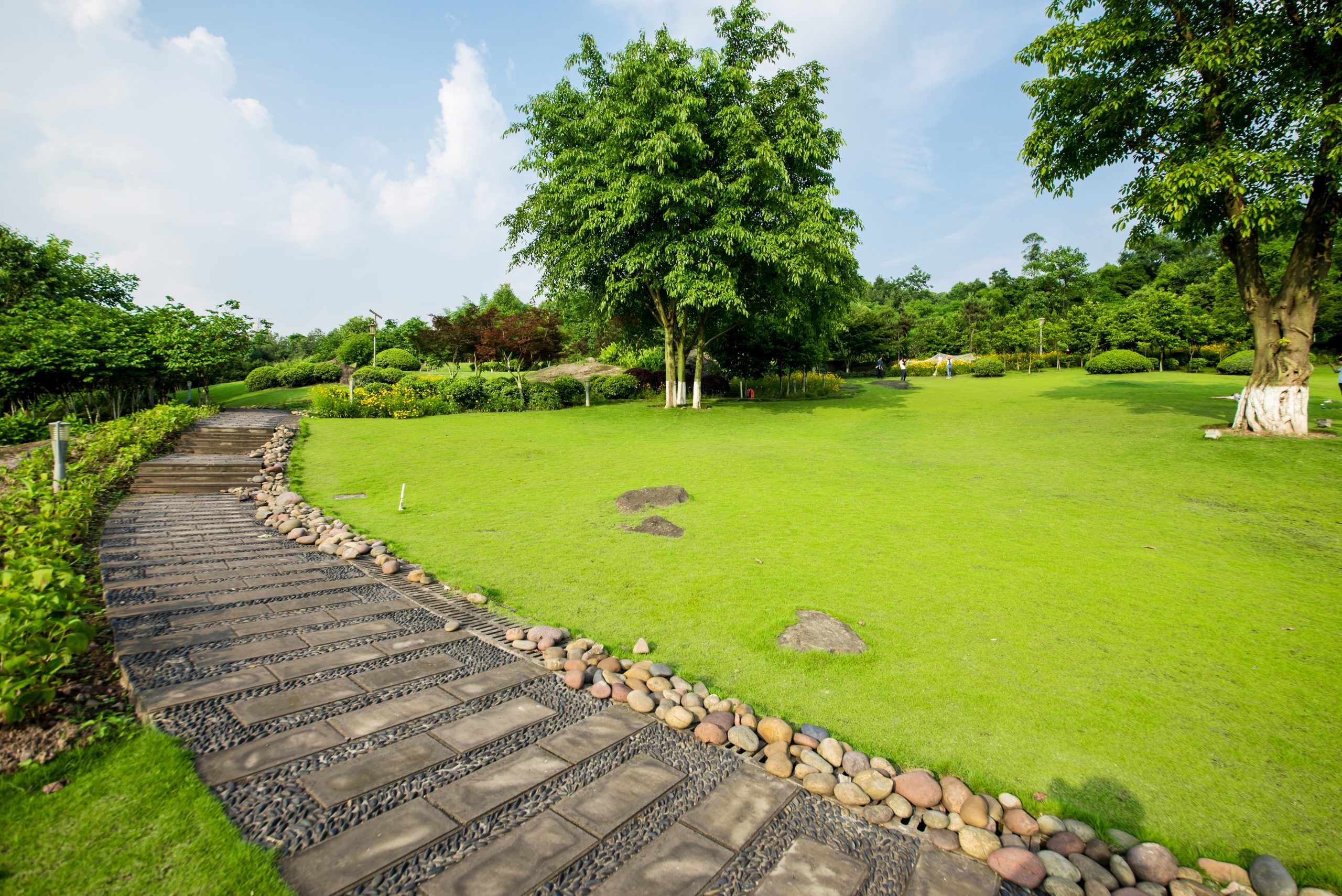
Topsoil’s the foundation of any great garden, park, or green verge. Without good soil, nothing grows properly. It’s that simple!
So, What Does Each One Do Best?
Here’s where it gets interesting, because these two aren’t really doing the same job!
Topsoil is all about growing. It feeds the plants. It gives seeds the nutrients they need. Spread a decent layer over bare ground, chuck in some seed, and you’ve got the makings of a lush green cover. It’s the ingredient, if you like.
An organics blanket is all about protecting. It’s the shield that keeps everything safe while the grass gets established. It stops the rain smashing the soil apart, slows the water racing down a slope, and holds the seed and moisture in place.
See the difference? One grows. One guards. And on a steep, erosion-prone batter, that protection is worth its weight in gold!
The Big One: Upfront Cost vs Long-Term Value
Now let’s talk money, because this is the whole point!
At first glance, topsoil looks like the cheaper option. It’s a familiar material, easy to get, and spreading it is a straightforward job. Job done, right? Well, not always!
Here’s the catch. On a flat park or a gentle verge, topsoil on its own can work a treat. But on a steep slope in our belting summer rain? That lovely fresh topsoil can wash straight off before the grass even gets going. And then you’re paying to bring in more, spread it again, and reseed. Ouch!
An organics blanket costs more up front. No two ways about it. But it holds everything in place through the storms, so you’re far less likely to be forking out for repairs down the track.
It’s a bit like buying shoes. Grab the cheap pair, and they fall apart in a month, so you’re back at the shops buying another set. Spend a bit more on the right pair once, and they last for years! Same idea with erosion control.
Erosion Control: No Contest
Let’s be honest about this one. When it comes to holding a slope together, the organics blanket wins hands down!
Bare topsoil on a steep batter is like trying to hold a handful of sand in a downpour — it just trickles away. There’s nothing gripping it. Those big fat Queensland raindrops smash into it, break it apart, and carry it off in seconds.
The blanket changes everything. Its rough, fibrous surface takes the hit from the rain and breaks up the flow of water. Instead of water sprinting downhill and gouging the soil, it trickles gently through the fibres. The dirt stays put!
So on roadside works, steep developments, and creek banks around South East Queensland, the blanket’s the clear champion. Topsoil alone just can’t hold on when the weather turns wild.
Helping the Seed Grow
Here’s the beautiful bit — you don’t always have to pick one or the other!
Topsoil gives seed the nutrients it needs. An organics blanket keeps that seed safe, damp, and cosy while it sprouts. Put them together, and you’ve got a dream team!
On a tricky slope, the process is easy. Spread your topsoil, sprinkle your seed, then roll the blanket over the top like a warm, protective quilt. The topsoil feeds the seed. The blanket stops it all washing away and locks in the moisture.
The result? Lush, healthy grass that knits the whole slope together. And here’s the best part — that blanket’s made of natural stuff, so it slowly breaks down and feeds the soil as it goes. Nothing wasted!
Maintenance, Labour, and Replacement Risk
This is where the real costs hide, and it’s worth a good squiz!
With topsoil on its own, especially on a slope, you’re rolling the dice. If a storm hits before the grass takes hold, you might lose the lot. That means more materials, more machinery, and more crew hours to fix it. Every do-over is money out the gate!
With an organics blanket, the risk drops right down. It’s rolled out once, it protects the ground straight away, and it needs bugger-all maintenance while the grass establishes. No topping up. No reseeding after every downpour. It just quietly gets on with the job!
Think about labour, too. Redoing washed-out topsoil takes time and people. Getting it right the first time with a blanket saves you both. That’s where the true savings live — not in the price tag, but in never having to do the job twice.
Common Use Cases Around South East Queensland
So when does each one shine? Let’s make it dead simple!
Reach for topsoil on its own when:
- The ground’s flat or only gently sloping
- You’re prepping a park, garden bed, or level verge
- Erosion isn’t a big worry
- You just need a healthy bed for plants to grow
Reach for an organics blanket (usually over topsoil) when:
- You’ve got a steep batter or erosion-prone slope
- The site’s exposed to heavy rain and run-off
- You’re working on roadsides, new developments, or creek edges
- You need protection while the grass gets going
See how they suit different spots? It’s all about matching the tool to the job!
So, Which Is Actually More Cost-Effective?
Here’s the honest answer, and it’s a good one. It depends on the site and what you’re trying to achieve!
On a flat, sheltered spot with no erosion worries, topsoil on its own is often the smart, budget-friendly pick. Why pay for protection you don’t need? Keep it simple and save your dollars!
But on a steep, exposed slope in our wild Queensland weather, the organics blanket earns every cent. Yes, it costs more up front. But when you add up the washed-out topsoil, the repeat visits, the extra labour, and the replacement materials you’d cop without it, the blanket usually comes out cheaper in the long run.
That’s the real lesson here. The cheapest option on day one isn’t always the cheapest by the end. True cost-effectiveness is about the whole journey, not just the first bill!
The Bottom Line
Organics blankets and topsoil might sound like rivals, but they’re really teammates with different strengths. Topsoil’s the champion of growing — rich, nourishing, and perfect for feeding plants. The organics blanket’s the champion of protecting — tough, natural, and brilliant at holding a slope together through the worst of our storms.
For a flat, gentle site, topsoil alone often does the trick beautifully and keeps costs down. For a steep, erosion-prone batter, the blanket’s upfront cost pays for itself by saving you from washed-out soil and endless do-overs. And on the trickiest slopes, using both together is the absolute winner!
Next time you spot a fresh slope being prepped after a big Queensland downpour, take a squiz at how they’ve protected it. There’s some proper clever thinking behind that choice. So here’s to picking the right option for the job — the smartest way to save your money and keep our slopes green, firm, and gorgeous, rain or shine!