Commercial Data Cabling Services in Victoria: The Simple Guide for Business Owners
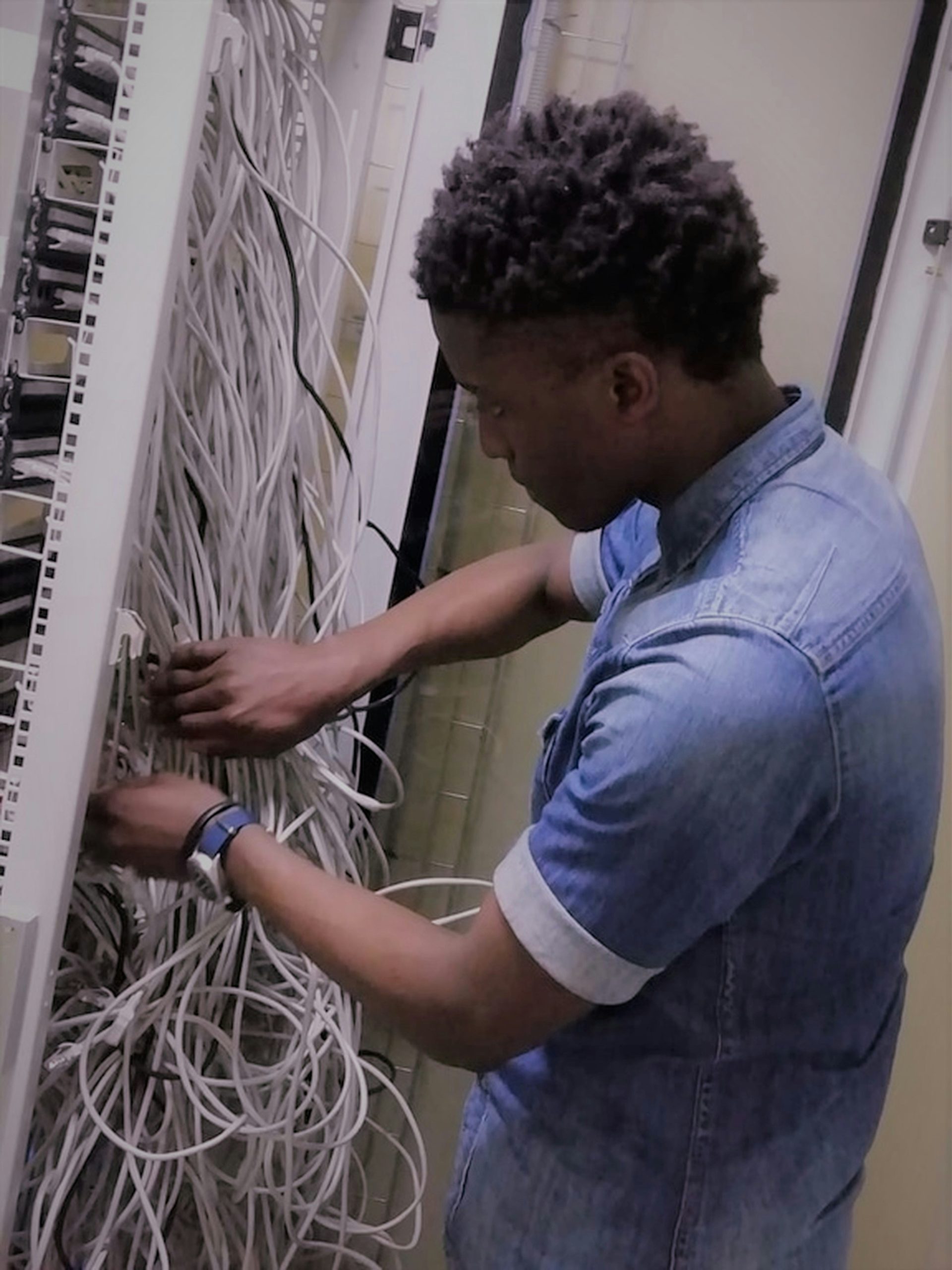
Your internet keeps dropping out during a client call. The team’s grumbling. And that server room out the back? It looks like a plate of spaghetti someone tipped over. Sound familiar?
If you run a business anywhere from Melbourne’s CBD to a shopfront in Geelong or an office in Bendigo, dodgy cabling is one of those problems that quietly costs you money every single day. The good news is it’s fixable, and it’s not nearly as complicated as it looks.
In this guide, we’ll walk through what commercial data cabling actually is, why it matters, and what to look for when you get it done properly. We’ll keep the jargon out and use plain, everyday language. By the end, you’ll be able to have a confident chat with any cabler and know exactly what they’re on about. At Mr Data Cabler, we reckon business owners make better decisions when someone explains things honestly, so that’s what we’re doing here.
Let’s grab a coffee and get into it.
What Is Data Cabling, Really?
Think of your office like a house. Water runs through pipes. Electricity runs through wires. And your internet, phones, and computers? They run through data cables.
Data cabling is simply the network of cables that carries information around your building. Every email, video call, printout, and payment goes through these cables. When they’re set up well, everything’s fast and reliable. When they’re a mess, you get dropouts, slow speeds, and headaches.
Structured cabling is the fancy term for doing it the smart way. Instead of running random cables all over the place, everything gets planned, labelled, and organised. Picture a well-run kitchen where every utensil has its spot, versus a drawer where you’re digging around for ten minutes to find a spoon. Structured cabling is the tidy kitchen.
The Real Problems Bad Cabling Causes
Let’s be honest about what goes wrong. Here are the usual suspects we see across Victorian businesses.
- Slow internet that grinds to a halt when everyone’s online at once.
- Random dropouts during video calls or card payments.
- Messy server rooms where nobody knows which cable does what.
- Office moves where the new space isn’t wired for anything.
Imagine if a busy accounting firm in Ballarat hires three new staff during tax season. They plug in extra computers, but there aren’t enough network points. So someone runs cheap cables across the floor, taped down with gaffer tape. People trip. Connections drop. The whole thing’s a mess by June. That’s a hypothetical, but it plays out in real offices all the time.
Good cabling stops these problems before they start.
The Building Blocks (Explained Simply)
Here’s where cabling gets technical. We’ll break it down piece by piece so it actually makes sense.
Network Points
A network point is just the little socket in the wall where you plug in a computer, phone, or printer. Think of it like a power point, but for internet.
The rule of thumb? Have more points than you think you need. Adding them later costs more and means drilling holes again. Planning ahead is way cheaper.
Cat6 Cable
You’ll hear cablers talk about Cat6. It stands for “Category 6,” and it’s just a type of cable that carries data fast and reliably. It’s the current standard for most offices.
There’s older stuff, like Cat5e, which still works but is slower. And there’s newer, pricier options too. For most Victorian businesses, Cat6 hits the sweet spot: quick, dependable, and won’t need replacing for years.
Racks and Patch Panels
Here’s where a lot of people get lost, so stick with me.
A rack is like a bookshelf for your networking gear. All your important equipment sits neatly in it, off the floor and out of harm’s way.
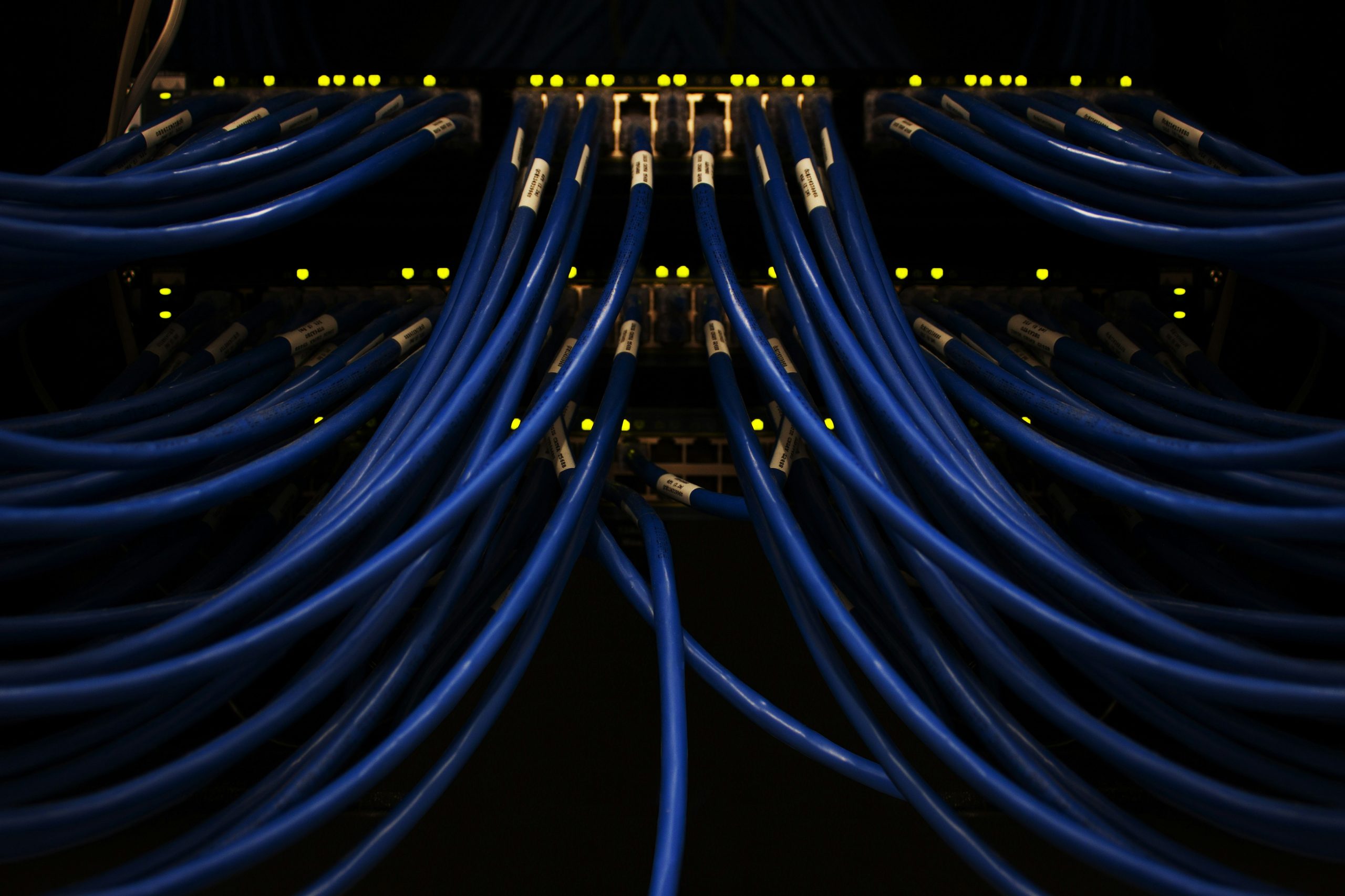
A patch panel is the clever bit. Imagine an old-school telephone switchboard, where an operator plugged cables in to connect calls. A patch panel works the same way. Every network point in your office runs back to this one panel. From there, short cables connect everything to your main internet gear.
Imagine if a café-turned-co-working space in Shepparton has forty desks. Without a patch panel, forty cables run wild into the back room. With one, all forty are labelled and organised in a single tidy spot. If desk 14 has a problem, you find its cable in seconds instead of playing detective. That’s a made-up example, but it shows exactly why patch panels matter.
Fibre
Fibre cable carries data using light instead of electricity. It’s incredibly fast and can run over long distances without losing signal.
You don’t always need fibre for everything. Often it’s used to connect buildings, or to link the main internet line to your building’s gear. Regular Cat6 usually handles the desk-to-desk stuff just fine. A good cabler will tell you honestly where fibre helps and where it’s overkill.
Testing
This one’s easy to skip but really important. Testing means checking every single cable to make sure it works properly and hits the right speed.
A proper cabler runs each cable through a tester and gives you a report. Think of it like a mechanic doing a full check before handing back your car, rather than just saying “she’ll be right.” If someone won’t test and certify their work, that’s a red flag.
Why This Matters for Your Business
Here’s the payoff. When your cabling’s done properly, a few good things happen.
Your internet gets faster and steadier. Your team stops complaining about dropouts. Your server room becomes something you can actually understand. And when something does go wrong, fixing it is quick because everything’s labelled.
There’s also the money side. Downtime costs you. Every hour your systems are down is an hour of lost work, missed sales, or frustrated customers. Solid cabling is one of those quiet investments that just keeps paying off.
Planning for the Future
Businesses grow. Tech changes. The cabling you put in today should still work in five or ten years.
This is what we mean by future-ready planning. It’s about putting in a bit more capacity now so you’re not tearing walls open later. A few extra network points and quality cable cost a little more upfront, but they save you a fortune down the track.
Imagine if a growing manufacturing business near Seymour wires their new warehouse for exactly what they need today. Two years on, they add security cameras, more office staff, and a new stocktake system. Suddenly there’s nowhere to plug anything in. Had they planned ahead, they’d have had it sorted. Again, that’s a hypothetical, but it’s a common trap.
Planning ahead isn’t about spending big. It’s about spending smart.
What to Look for in a Cabling Job
When you’re getting quotes, here’s what a good job includes:
- A proper site walk-through so they understand your space and needs.
- Quality cable and parts, not the cheapest stuff going.
- Neat, labelled work in the rack and at every point.
- Full testing and a certification report you get to keep.
- Honest advice about what you actually need, not the most expensive option.
Ask questions. A decent cabler won’t mind explaining things. At Mr Data Cabler, we’d rather spend ten minutes talking you through the plan than leave you guessing. A good tradie explains, they don’t just nod and drill.
Handling an Office Move
Moving offices is one of the biggest cabling moments. Whether you’re shifting to a bigger space in Melbourne’s inner suburbs or setting up shop in regional Victoria, the cabling needs sorting before you move in.
Get it planned early. Work out how many desks you’ll have, where they’ll sit, and how many points each needs. Doing it before the furniture arrives is a hundred times easier than working around a full office.
Imagine if a marketing agency moves into a heritage building in central Bendigo. Lovely spot, but the walls are thick and old. Running cable through that needs planning and care. Sort it before moving day, and you walk in to a fully working office. Leave it too late, and you’re working off phone hotspots for a fortnight. You get the idea.
Practical Takeaways
Let’s wrap it up with the key points to remember.
- Data cabling is the backbone of your office. Slow or messy cabling causes dropouts, delays, and lost money.
- Structured cabling keeps everything tidy and labelled, which makes fixing problems quick and easy.
- Cat6 is the go-to for most offices; fibre’s brilliant for speed and distance but isn’t always needed.
- Racks and patch panels organise your gear so it’s easy to manage.
- Always insist on testing and a certification report.
- Plan for the future. A few extra points now saves big headaches later.
- Get cabling sorted before an office move, not after.
Good cabling isn’t glamorous. Nobody walks into your office and admires the cables in the wall. But it’s the thing that keeps everything else running smoothly, day in and day out.
If you’re weighing up your options across Victoria, take your time, ask plenty of questions, and pick someone who explains things clearly. That’s the whole reason we put this guide together at Mr Data Cabler: so you can make a confident, well-informed call.
Now go enjoy the rest of that coffee.